A modular, evolving system designed to combine multiple intelligences, capabilities, and real-world interaction into one unified platform.
Guardian learns, adapts, and grows alongside the user, bridging the gap between digital tasks, creative workflows, and physical world applications. From accessibility and productivity to content creation, media management, and entrepreneurial support, every function is designed to expand what’s possible, turning complex processes into intuitive, actionable experiences.
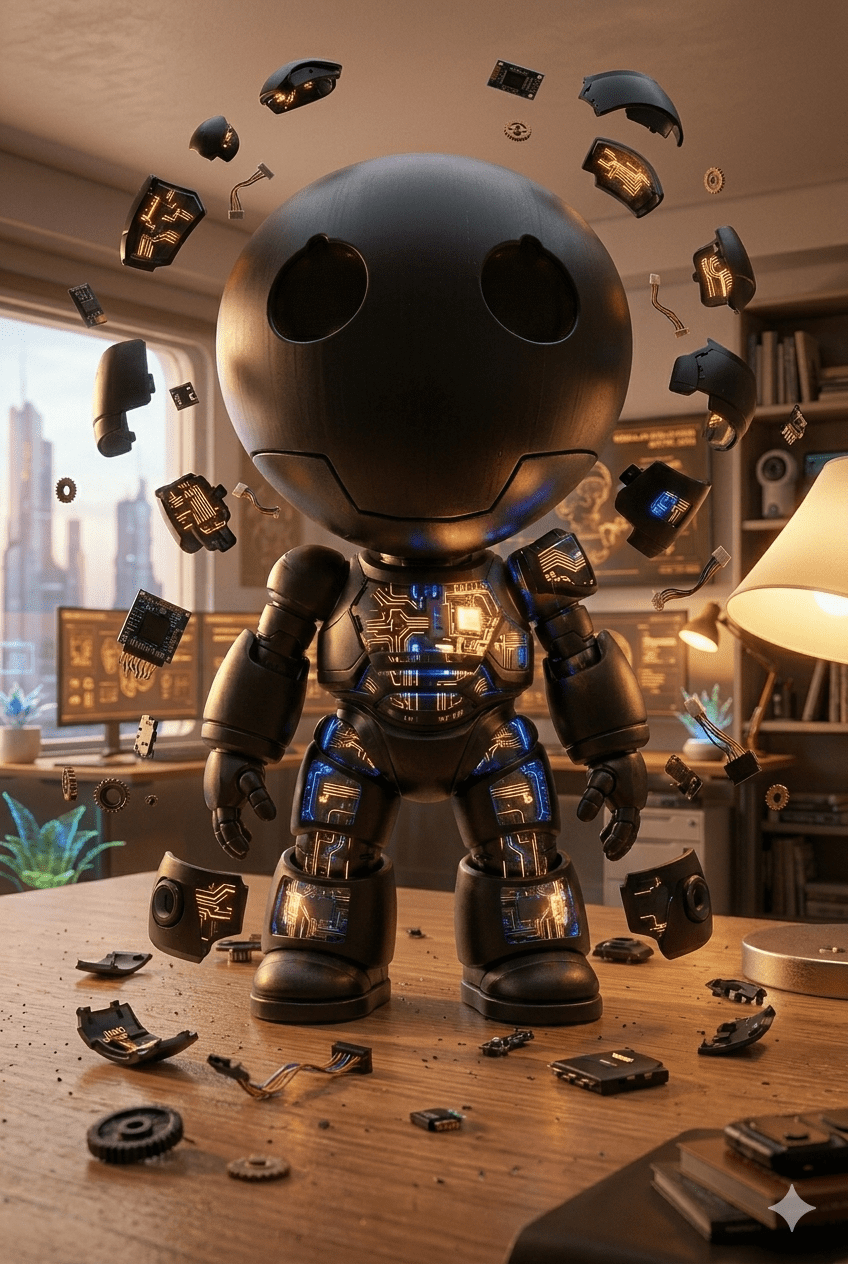
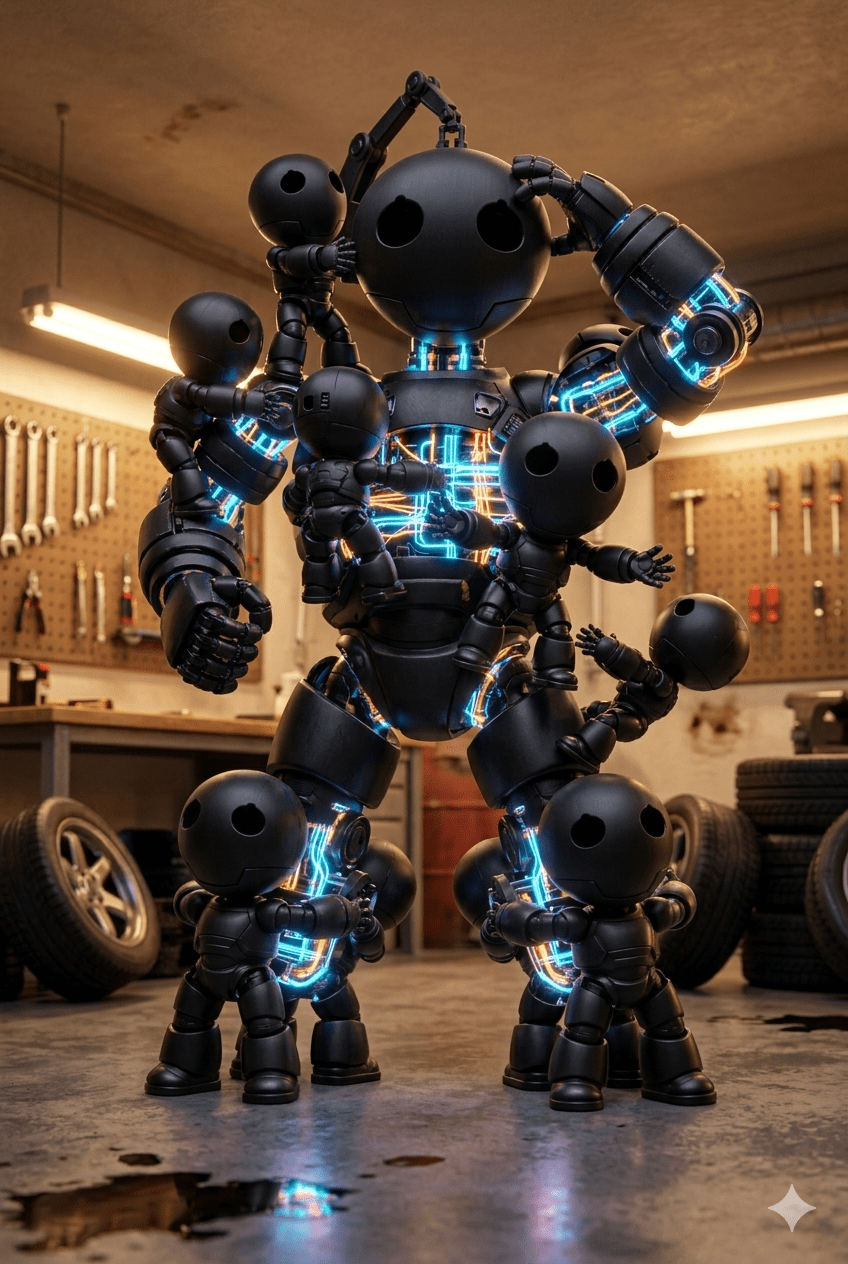
Guardian is designed as a collection of independent but connected capabilities. Each function—whether it’s navigation, content creation, or real-world interaction—operates as a module that can be triggered, combined, or expanded over time.
Every capability must include a CAPABILITY dictionary at the end of the file containing: name, description, keywords, category, safety_level, version, examples, how_it_works, and handler. The handler function must match the signature
async def capability_handler(execution_state: dict = None, remaining_text: str = None, **kwargs) -> dict:
and return a serializable dictionary, with the handler at the very bottom of the dictionary.
Each capability must be callable and executable in isolation. This means it can be triggered directly—by a command, script, or an AI system and still function correctly.
All required inputs must be handled dynamically, whether passed explicitly or inferred from context. A capability should never rely on hidden state to operate.
If a capability requires external resources (files, folders, APIs), it must clearly define and handle those requirements within its execution flow.
Capabilities should default to safe behavior and operate within defined boundaries.
No @dataclass decorators in capability modules
Txt files are preferred where applicable, to avoid strict JSON rules & unnecessary parsing errors.
Use free, lightweight, open source tools if available, but don’t sacrifice quality.
Guardian combines multiple AI systems into a unified layer, allowing different models and tools to work together. This increases accuracy, expands capability, and allows the system to evolve without being locked into a single intelligence source.
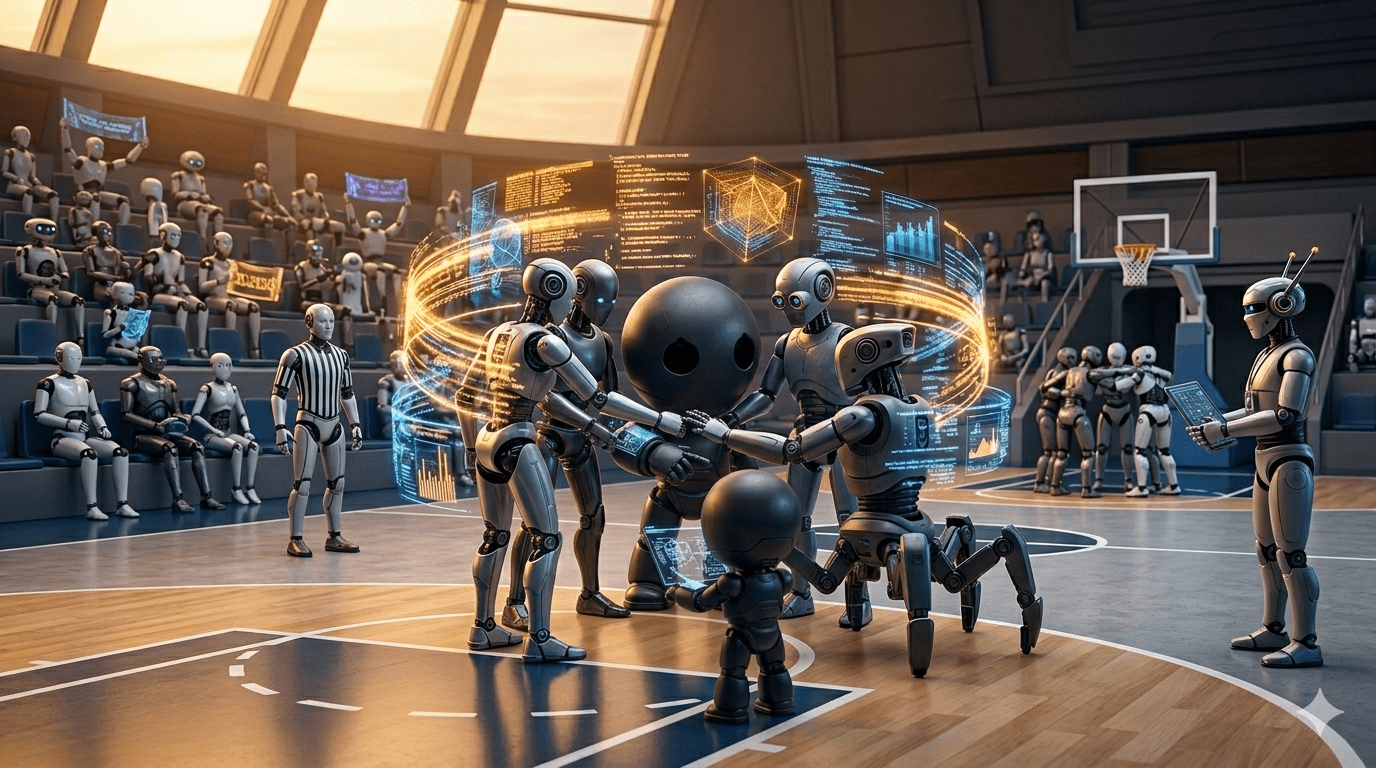
Developers and builders can create their own capabilities by following a flexible handler structure. This allows new features to plug directly into the system and interact with existing functionality.
Start small—build one capability—and expand into full system integration.
Guardian is not a finished product. It’s an evolving system designed to expand over time—capability by capability, mode by mode. What exists today is only the foundation of what’s being built.
Blind Mode (active)
Deaf Mode
Elderly Support Mode
Mobility Mode
Dementia Support
Focus / Autism Mode
The goal is to create systems that genuinely improve people’s lives—especially for those who need it most. From navigating computers without sight to assisting with memory, communication, and daily living, these modes represent a future where technology actively supports human independence.
Computer Control
Content Creation
Video Editing
Audio Editing
Photoshop Mode
DIY & Kitchen Modes
Guardian is being shaped into a system that can take ideas and turn them into execution. Whether it’s creating content, editing media, or controlling devices, the goal is to remove friction between thinking and doing.
Home Surveillance & Alert System
Package Monitoring
Neighborhood Watch
Neighborhood Apps/News Monitoring
Device Security
The system is being developed to extend awareness beyond the screen and into environments, devices, and real-world situations. The long-term vision includes intelligent monitoring, pattern detection, and proactive alerts.
Banking Analysis
Taxes Automation
Bill Management
Budgeting
Guardian is moving toward helping users better understand and manage the systems around them—from finances to daily responsibilities—reducing complexity and improving decision-making
Car Monitoring
Mechanic Diagnostics
Oil Change Alert
Parts / Upgrade Tracking
Repair Assistance
Beyond software, the system is being expanded into physical interaction—monitoring machines, predicting issues, operating within real-world environments and eventually assisting and physically repairing and replacing parts
Media Generation (Music, Image, Video, Game, Books)
Visual Ad Blocking
Music Play With Ad Avoidance
Device Control
DJ Mode
Guardian empowers creation and control across media, letting you generate, manipulate, and enjoy content while keeping your environment seamless. Whether generating music, images, video, or games, it’s all designed to work intelligently, minimizing interruptions and maximizing creative output.
Patrol Mode
Home Monitoring
Failure Prediction
Guardian is not limited to software. The long-term vision includes a physical system capable of seeing, moving, and interacting with the environment—bridging digital intelligence with real-world action.
Content Creation & Automation
Scheduling & Publishing Systems
Brand & Asset Generation
Marketing & Advertising Support
Business Workflow Automation
Guardian is being developed to support entrepreneurs, creators, and builders—turning ideas into real businesses through automation, content systems, and intelligent tools. From social media growth to full application development, the goal is to reduce the barrier between concept and execution.
Full Web App Generation
Multi-Call Orchestration
Automation-Based Tools
Custom Tool Creation
Guardian is moving toward the ability to generate complete web applications through coordinated system calls—combining logic, design, and functionality into deployable tools. This transforms the system from a helper into a builder of real digital products.
Customer Support Agent
Voice Agent for Local Businesses
Personal Health Triage System
Contract Auditor
Personal Knowledge Base
Fitness Coach System
Supply Chain Optimizer
Mental Health Companion
These are examples of the types of applications Guardian is being designed to support—ranging from simple tools to advanced systems.
This system is not static. New capabilities, modes, and integrations are continuously being developed—moving toward a fully adaptive system that can operate across digital and physical environments.